


About the National Alumni Survey

Understanding alumni starts with listening.
The National Alumni Survey (NAS) helps colleges and universities understand the people behind their alumni records. Through an annual study of alumni engagement and philanthropy, we ask graduates about their relationship with their alma mater and what would make that relationship more meaningful.
Our purpose is to bring alumni voices into the decisions institutions make about engagement and giving.
How we began
Higher education tracks alumni behavior closely. We count gifts, measure event attendance, and monitor responses to our communications. Those measures tell us what alumni do. Understanding the reasons behind their choices requires asking them directly.
Howard Heevner and Sarah Kleeberger co-founded the National Alumni Survey to help close that gap. Drawing on decades of experience in higher education fundraising and analytics, they wanted to give institutions a fuller understanding of their alumni, including graduates whose perspectives rarely reach advancement leaders.
The first national report appeared in 2024. By the time of the 2026 report's release, the study had collected more than 155,000 responses over its first three years. The 2026 report alone included more than 82,000 alumni responses from 31 colleges and universities.
As the study has grown, its purpose has remained consistent: to create a way for institutions to listen at scale and use what they hear to improve their relationships with alumni.
What we seek to understand
An alumnus’s decision to give, volunteer, or stay connected stems from their own experiences and priorities. NAS explores how graduates feel about their education and their ongoing relationship with their institution. We ask about the causes they support and the experiences most likely to inspire future involvement.
The research also examines trust. Do alumni believe their institution will use a gift effectively? Do they understand the impact of their support? Do they feel their alma mater knows what matters to them?
These questions help institutions examine assumptions about their graduates and understand differences across alumni groups.
Turning listening into action
Participating institutions receive findings about their own alumni alongside national benchmarks. This gives advancement teams evidence to inform their work and a shared starting point for conversations with campus leaders and governing boards.
The value of listening depends on what follows. We want the findings to shape how institutions communicate with alumni and create opportunities for involvement that reflect alumni interests. They should also help institutions examine where their practices have weakened trust or left people feeling overlooked.
Making the research accessible
Support from our partners and sponsors makes participation in the core survey available to institutions at no cost. Our national reports are also freely accessible, without registration, so colleagues across higher education can use and discuss the findings.
The 2026 study brought together participating institutions with presenting partners CMAC, Washburn McGoldrick, and Parisleaf. This collaboration supports an ongoing commitment to understanding alumni on their own terms and giving their perspectives a larger role in institutional decisions.
Explore the findings: Read the National Alumni Survey reports.
Take part: Learn how your institution can participate.
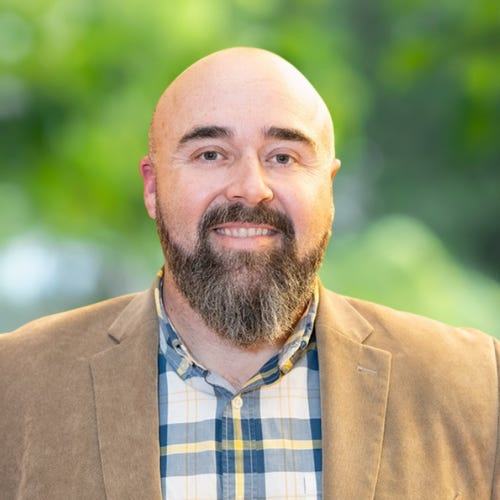
Howard Heevner
With nearly 30 years of higher education fundraising experience, Howard is the current executive director of annual programs at the University of California, Berkeley.

Sarah Kleeberger
With 25 years of experience in philanthropy, Sarah delivers consulting and analytics services at Encoura, committed to providing actionable data and insights to clients.
